The Professional Difference: Choosing a Mover You Can Trust

The Kearney Standard: How to Identify True Quality

Hiring a mover is more than a financial transaction—it’s an investment in your peace of mind. While licensing and insurance are the “bare minimum” requirements, they don’t always guarantee a high-quality experience. To ensure your belongings are handled with the care they deserve, you need to look for a partner that balances professional credentials with a proven track record of integrity.

Here is how to navigate the research process and find a mover you can truly trust.
kearneymoving3 Large
ic redtruck

1. Verify Their Service Capabilities

Checking a mover’s resources is just as important as reading their reviews. You need to know if a company has the actual tools to do your job right, as not every mover is built for every type of move.

Specialized Logistics: If you are crossing state lines, verify they have the legal authority for interstate transport. If your new home isn’t ready yet, ask to see their climate-controlled storage. A real mover should be able to tell you exactly where your items will be held and whose hands will be on them.

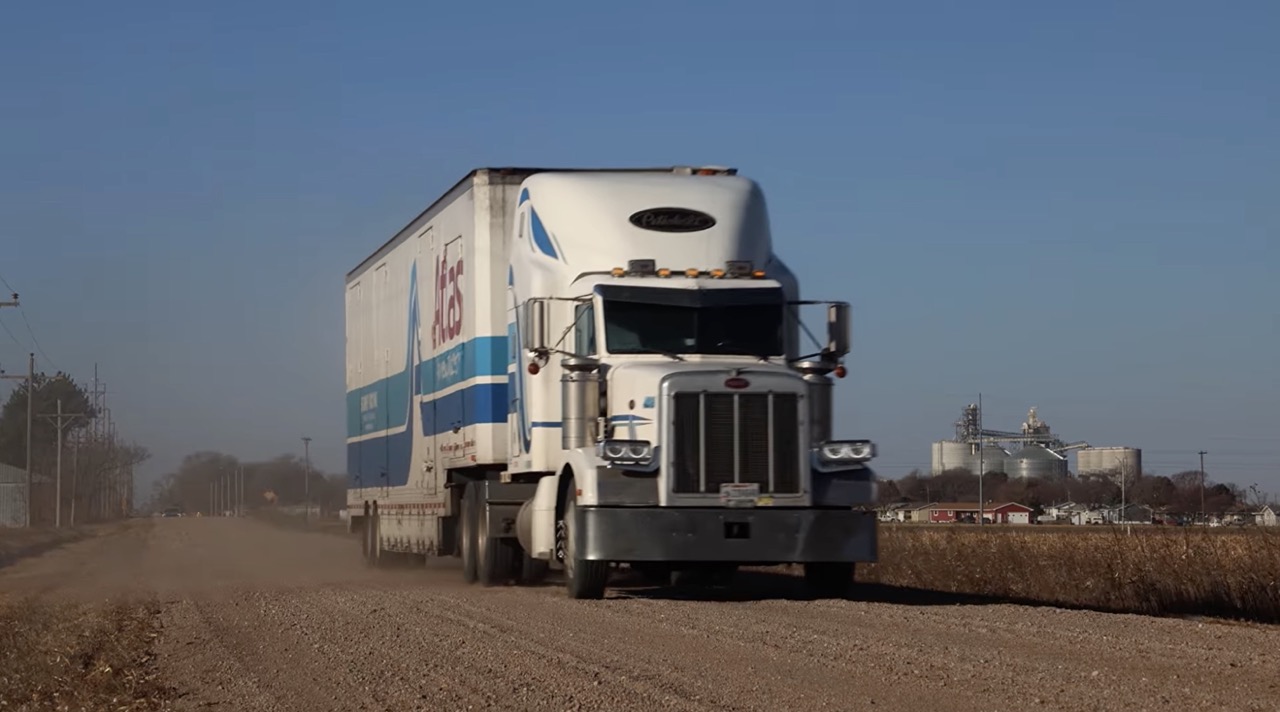
The Resource Check: A reputable company should have a professional website that shows their actual fleet and local staff. When a mover is open about their process and shows off their branded trucks, it proves they are an established business that owns its equipment. While a social media page isn’t everything, a company that invests in its online presence is usually one that cares about the customer experience and long-term accountability.

ic box search red

2. Research Their Reputation (The “Social Proof” Audit)

A company’s past performance is the best indicator of your future experience. Don’t rely on just one source; look for a pattern of excellence across multiple platforms.

Industry Rankings: Check for an A+ rating with the Better Business Bureau (BBB).

Unbiased Reviews: Look at Google Reviews and Angie’s List. Pay attention to how the company responds to feedback—professionalism in resolving issues is a hallmark of a great mover.

Personal Referrals: Your realtor, friends, and family are excellent resources. According to industry surveys, over 70% of satisfied customers would recommend their mover to others—so if people are “bragging” about their experience, you’ve found a winner.

ic red ribbon

3. The Power of a National Network

For long-distance or interstate moves, we highly recommend choosing a company affiliated with a nationally recognized van line, such as Atlas Van Lines.

Why it matters: National van lines hold their local agents to a strict Code of Ethics and standardized quality controls.

Accountability: According to the FMCSA, choosing a recognized carrier significantly reduces the risk of “hostage load” situations and fraud. You aren’t just hiring a local crew; you are backed by a nationwide infrastructure of support and accountability. This partnership ensures that your move stays on track and your belongings are protected by a network of professionals across the country.

ic hand time red 1

4. Accuracy and Integrity in Estimating

A reputable mover will never “guess” your move’s cost over the phone.

The Standard: Demand a written estimate based on a virtual or in-home survey. Professional movers use these surveys to provide accurate pricing, preventing the “hidden fees” that often plague the industry.

The “110% Rule” for Delivery: Federal law provides a safeguard for your move. On the day of delivery, a mover cannot demand more than 110% of the non-binding estimate before unloading your belongings. While you are still responsible for the total balance of the final bill, this rule ensures your items aren’t “held hostage” for unexpected costs, giving you 30 days to satisfy the remaining balance after the move is complete.

Experience the Kearney Moving Difference

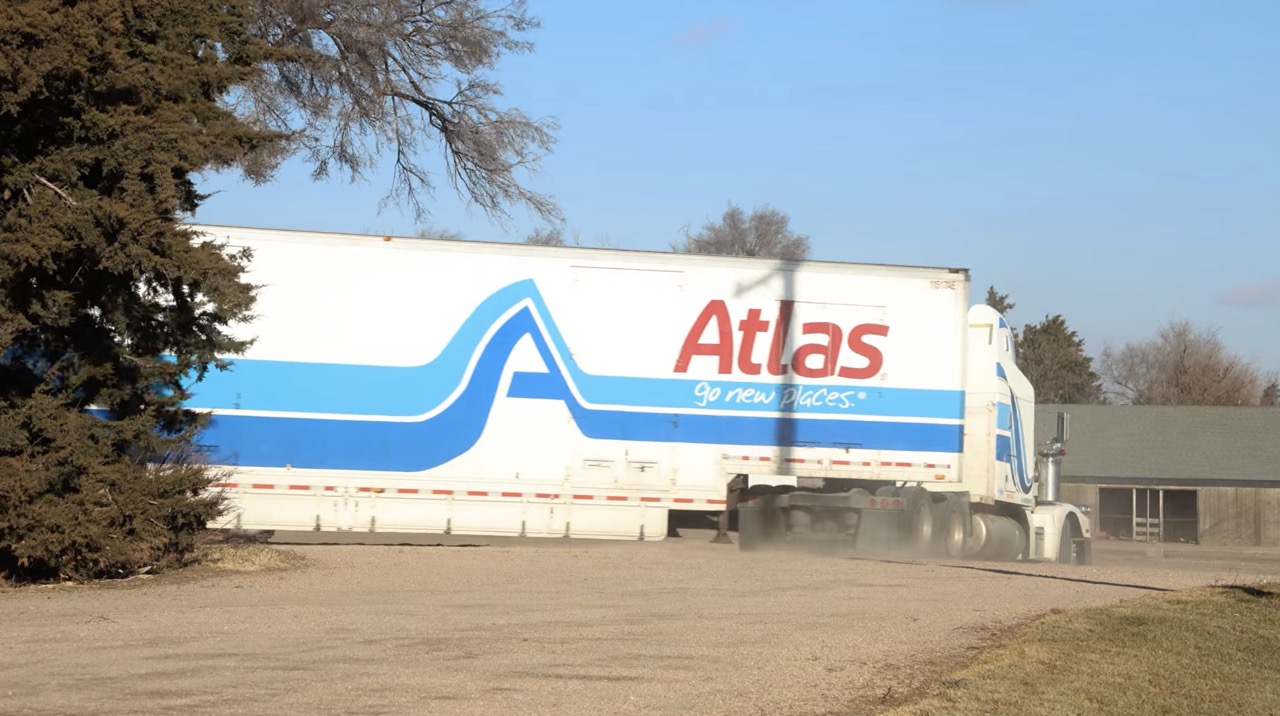
We believe that quality is never an accident; it is the result of high intention and sincere effort. As an agent for Atlas Van Lines, Kearney Moving combines the vast resources of a national leader with the personalized, Christian-oriented service of a local family business.
moving6 Large

Ready for a move worth bragging about?

Get a free, transparent quote today.
Guard Your Belongings: The Risks of Unlicensed Movers

Rogue Movers: The Hidden Risks of Unlicensed Labor

When you’re comparing moving quotes, a significantly lower price can be tempting. However, that “bargain” often comes from unlicensed rogue movers—operators who bypass the law, skip the insurance, and leave you with zero protection if something goes wrong.

At Kearney Moving, we believe that moving should be a “refreshing” experience built on trust. To protect your home and your family, it is vital to understand the difference between a professional, licensed carrier and a rogue operator.

moving1 Large
close up of cardboard box on table

What is a “Rogue” Mover?

A rogue mover is an individual or small group operating a moving business without the required state or federal authority. While they may seem like a “legitimate” local business, they typically lack the two things that matter most: accountability and insurance.

The Reality of the Risk: According to industry data, unlicensed movers are responsible for a disproportionate number of “lost or stolen” household goods claims. Because they aren’t registered with the state, there is no governing body to help you if they disappear with your belongings or demand more money than originally quoted.

How to Spot a Rogue Mover

Rogue operators often follow a predictable pattern. Keep an eye out for these “red flags” during your search:

ic truck

The Rental Truck Trap

Most rogue movers do not own their own equipment. If a crew shows up in a generic rental truck with no company branding, they likely lack the insurance required to protect your cargo.

Low-Quality Presence

Be wary of companies that only advertise on free marketplaces like Craigslist or Facebook, or those whose websites lack a physical office address.

ic dolley

The “Small-Scale” Limitation

Rogue movers often lack the specialized equipment (like floor runners, professional padding, and custom crates) needed for anything beyond a very small, simple move.

The Dangers of Going Uninsured

If a moving company is unlicensed, they are almost certainly uninsured. This puts you at massive financial risk:

blue check

Property Damage

If a rogue mover drops your flat-screen TV or gouges your hardwood floors, you have no insurance claim to file. You are left paying for the repairs out of your own pocket.

blue check

Worker Injuries

If an uninsured mover is injured on your property, you could potentially be held liable for their medical expenses under your homeowner’s insurance.

blue check

Zero Recourse

Licensed movers are required by law to have a clear process for handling claims. Rogue movers have no such “character” or legal obligation; once they leave your driveway, they often become unreachable.

young couple moving in new house
truck mover unloading van carrying

3 Questions to Unmask a Rogue Mover

Before you sign a contract, ask these three non-negotiable questions. A professional mover will answer them instantly; a rogue mover will hesitate.

blue check

What is your Nebraska Public Service Commission (NPSC) number?

In the State of Nebraska, every household goods mover must be certified by the NPSC. This is your primary protection for local moves. (ML-57)

blue check

Can you provide a Certificate of Insurance (COI) for my move?

Don’t just take their word for it. A reputable mover can have their insurance agent email you a certificate showing their Cargo and Workers’ Comp coverage.

blue check

What is your USDOT number?

If you are moving across state lines, the company must have a valid Department of Transportation number. (4041599)

Verify Before You Hire

In Nebraska, we are lucky to have a very transparent regulatory system. You don’t have to guess—you can verify. To ensure a company is legally authorized to move you within our state, contact the Nebraska Public Service Commission to check a carrier’s status.

The Kearney Moving Standard

As a locally owned and operated company and an agent for Atlas Van Lines, we take our legal and ethical responsibilities seriously. From our branded fleet of trucks to our professionally trained staff, every part of our operation is designed to provide you with the quality, integrity, and service you deserve.

Stay Safe, Move Smart

Choose a partner who is invested in your protection.

Protect Your Move: Avoiding Online Brokers

The Broker Trap: Why “Middlemen” Cost You More

Shopping for moving companies online is a convenient way to compare options, but it also requires a high level of vigilance. Every year, thousands of unsuspecting families lose money and peace of mind to moving brokers—middlemen who present themselves as movers but don’t actually own a single truck.

The scale of the problem is massive. According to the FMCSA, over 3,000 formal complaints are filed annually regarding moving fraud, with a significant portion involving brokers who “low-ball” estimates and then disappear once they have collected a deposit.

At Kearney Moving, we’ve seen the fallout firsthand. We often receive frantic calls from families whose “mover” never showed up, leaving them stranded on closing day. To help you avoid this heartbreak, we’ve compiled this guide on how brokers operate and why a local, asset-based mover is the only safe choice for your transition.

moving7 Large
ic redtruck

1. What is a Moving Broker? (The “Salesman” Trap)

A moving broker is not a moving company; they are a sales office. Their websites are designed to look identical to a legitimate mover’s, but in reality, a broker is just a salesperson with a phone and a website.

The Reality: They don’t have crews, they don’t have equipment, and they don’t have trucks. Their only goal is to “sell” your move to a third party. Because they never touch your belongings, they hold no accountability for damaged items or missed deadlines. Once the deposit is paid, they often vanish, leaving you to deal with a subcontractor you never vetted. According to a study by the Better Business Bureau (BBB), the median loss for consumers in moving-related scams is around $1,600, but for those involved with brokers, the “hostage load” fees can skyrocket into the tens of thousands.”

ic hand time red 1

2. The Problem with Phone Estimates

Long-distance moving costs are primarily based on the weight of your belongings and the mileage.

The Broker Way: Brokers will almost always give you a “binding” estimate over the phone. Because they are often located several states away, they cannot see your home.

The Professional Way: A reputable mover will offer an in-home or virtual survey. Data from the American Trucking Association suggests that phone-based estimates are inaccurate over 60% of the time, often leading to a final bill that is 25% to 50% higher than the original quote once the actual mover weighs the truck.

ic box hand red

3. The “Deposit” Red Flag

If a company asks for a large upfront deposit (typically around 20%), be extremely cautious.

The Data: Legitimate, asset-based movers rarely require a large deposit. According to the FMCSA’s “Your Rights and Responsibilities” handbook, a demand for a large cash deposit is the #1 red flag of a moving scam.

That deposit is the broker’s commission. Once they have your money, they ‘farm’ your job out to a load board. Because the broker has already taken a large cut, only ‘bottom-feeder’ carriers—who struggle to find work elsewhere due to poor safety ratings—are willing to take the job. These carriers often arrive in unmarked trucks with no insurance, putting your entire household at risk just to save the broker a few extra dollars.

ic truck lines red

4. Why You Lose Control

When you hire a broker, you relinquish control over who enters your home.

  1. No Accountability: The carrier that shows up isn’t employed by the broker. If the broker promised you a specific date or price, the actual mover is under no legal obligation to honor it.
  2. The “Hostage” Scenario: This is the most dangerous scam. Rogue carriers are known for “holding goods hostage”—demanding thousands of dollars in cash for “extra charges” while your items are locked on their truck.

Safety Risks: Statistics show that brokers often contract with carriers who have higher-than-average “Out of Service” (OOS) rates for vehicle maintenance and driver hours, putting your belongings at a higher risk of accidents or roadside impoundment.

How to Spot a Broker in 3 Simple Steps

checkmark

1. Check the DOT Portal

KMS DOT: 4041599

checkmark

2. The “Google Earth” Test

Look up the company’s address on Google Street View. Do you see a warehouse and a fleet of moving trucks? Or do you see a residential home, a P.O. Box, or a generic office suite?

checkmark

3. The “Owner” Question

Ask directly: “Do you own the trucks and employ the movers who will be at my house?” If they give a vague answer about a “nationwide network of partners,” you are talking to a broker.

Choosing Peace of Mind

Hiring a mover last-minute because a broker failed you is difficult and expensive. We want to help you get it right the first time.

As a locally owned and operated company and an agent for Atlas Van Lines, Kearney Moving is part of a trusted, audited network. When you hire us, you know exactly who is handling your furniture, who is driving the truck, and who is accountable for your satisfaction.

Screenshot 2026 05 07 113536

Don’t Risk a Middleman!

Contact Kearney Moving today for a transparent, in-home estimate you can trust.